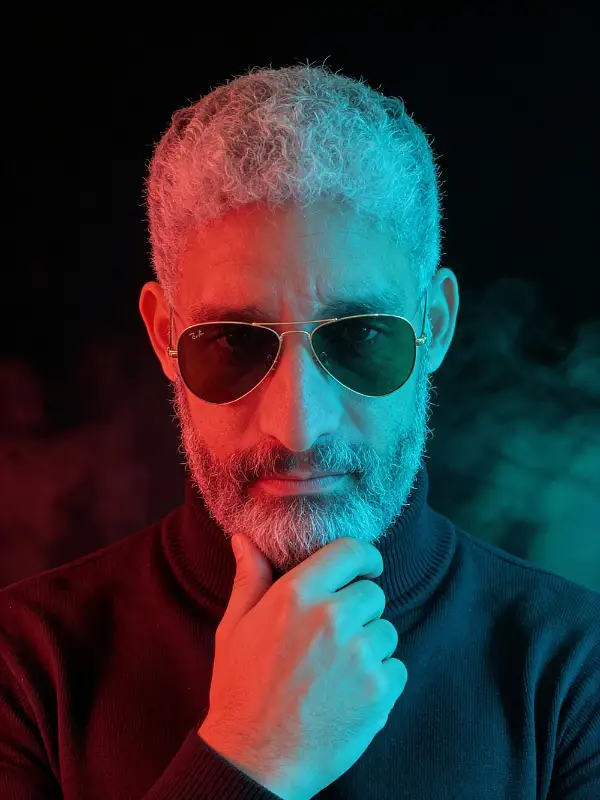
At ten years old, Maria Muthoni understood something about herself that no one else seemed prepared to hold.
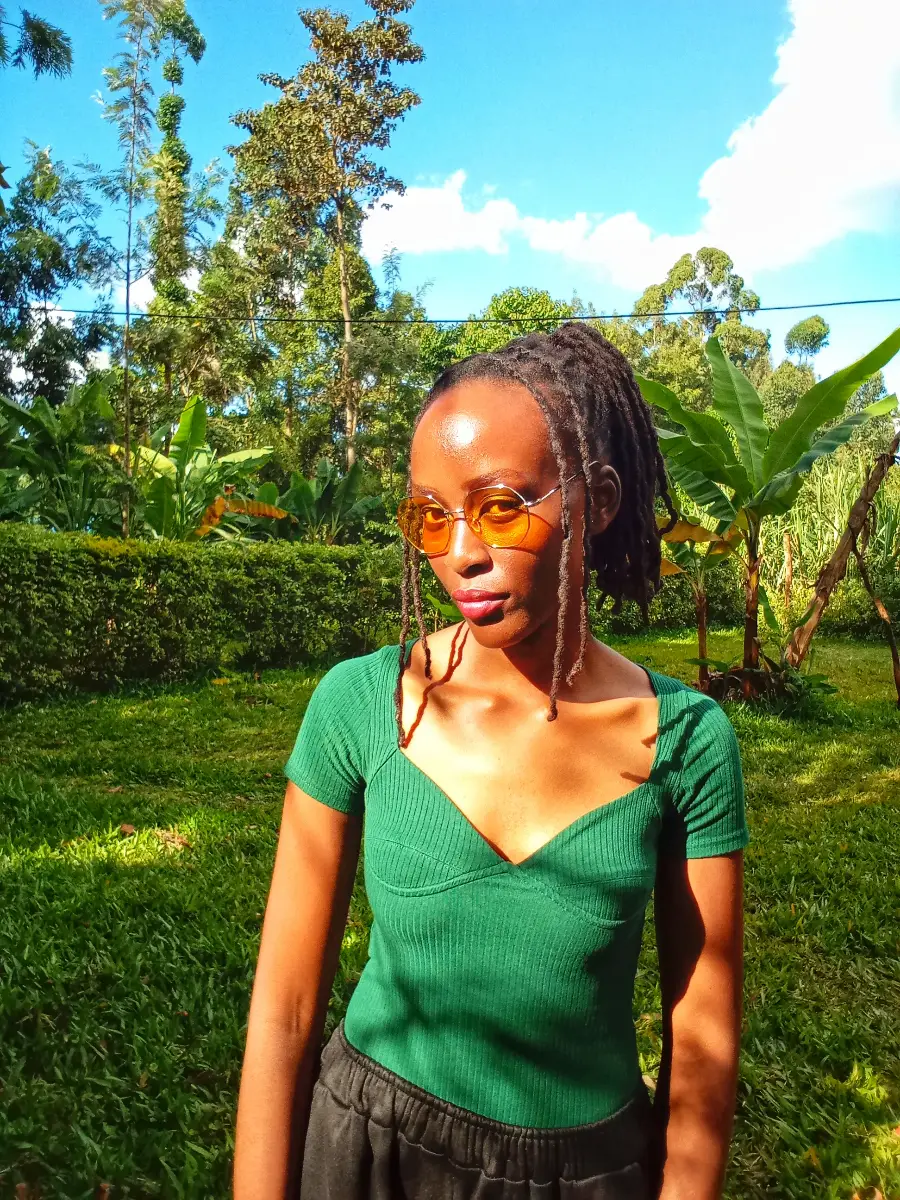
In Kenya, where ambition often follows a prescribed route of examinations, degrees, and offices in the city, artistic instinct can feel like a private deviation. She recognized her gift early, then folded it away. For nearly a decade she chose discipline over desire, studying with diligence, moving in step with expectation.
The drawings paused. The impulse did not. In her second year of college, the quiet insistence returned. .
“That was where my passion really was,”
she reflects. In 2017, she began again, this time not as a child sketching in the margins, but as a young woman willing to risk seriousness.
The decision marked the first of several refusals.
The Weight of Inheritance
To pursue art professionally in her context is not only a personal gamble but a social one.
“If you are not a doctor, lawyer, engineer or a CEO working in a big office somewhere in the city then very few people care,”
she says. The hierarchy of professions lingers heavily, shaping the imagination of what a future can look like.
Yet Kenya’s unemployment statistics complicate the narrative. Many of her peers carve their paths through ingenuity and creative labor. The contradiction is not lost on her.
She speaks of wanting to change the narrative around creatives in her country, to insist that art is work, not indulgence. Not hobby. Not accident. Work.
The insistence carries both defiance and tenderness.
The Discipline of the Hand
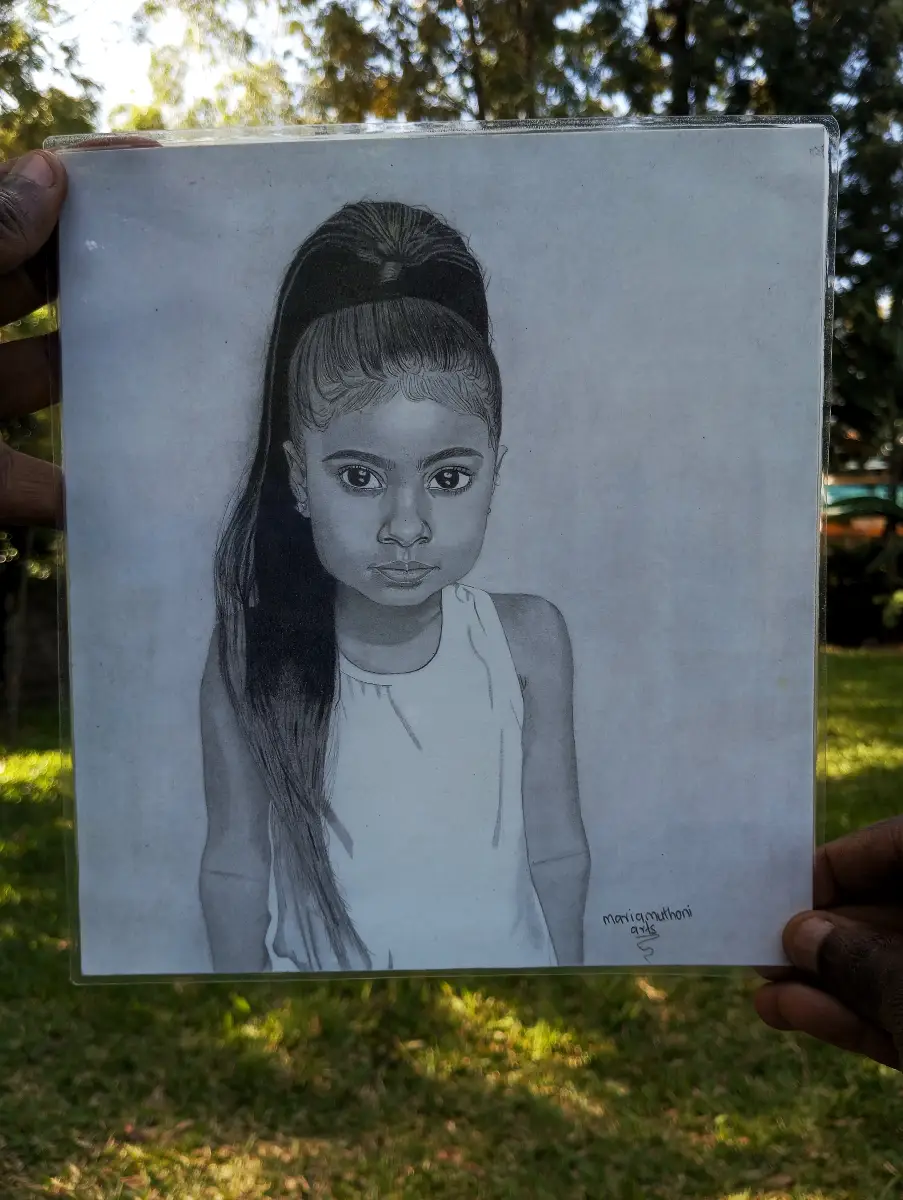
Her practice is traditional.
Graphite pencils. Colored pencils. The intimacy of paper receiving pressure.
There is no technological mediation, no spectacle of scale. The drama unfolds in increments. The gradual accumulation of tone. The slow deepening of shadow. A face emerging from negative space.
What motivates her daily is not applause but anticipation.
“The anticipation of seeing an artwork come to life,”
she says, describing the quiet satisfaction of steady progress.
Each drawing becomes an exercise in patience and control. The tools are simple. The commitment is not.
In an era of acceleration, she chooses the measured pace of the hand.
Uneven Terrain
Her journey has not been smooth.
Financial comparison lingers at the edges of her reflections. She earns through her art, yet she measures the disparity between her position and that of artists working in Europe or the United States. The global art economy casts long shadows.
Still, she continues.
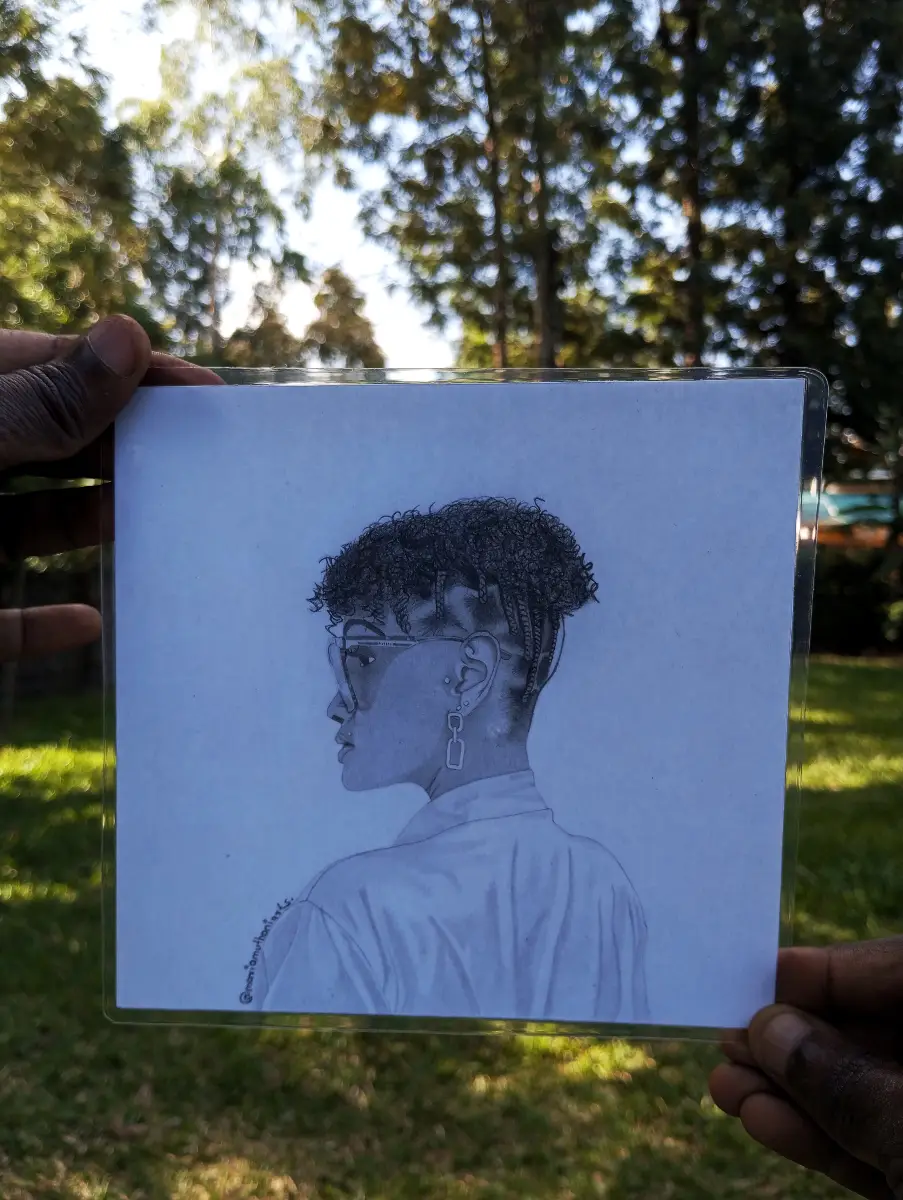
The terrain is uneven, but she does not romanticize struggle. She names it. She moves through it. The work persists regardless of market geography.
Redefining Success
For Maria Muthoni, success is tangible.
It is the sale of artworks locally and internationally. It is commissions that travel across borders. It is exhibitions in unfamiliar cities, conversations with collectors, investors, and fellow artists.
Success, she says, is to
“live comfortable through the income I get from my art business.”
There is clarity in this vision. No mysticism. No abstraction. Comfort is not excess. It is stability earned through creative labor.
In her definition, art and livelihood are not adversaries. They are intertwined.
Art as Argument
Her work carries an intention beyond aesthetics.
She hopes it communicates that art can be lucrative, that creativity can generate both cultural and economic value. Determination and consistency, she believes, make artistic success possible.
This is not merely self-advocacy. It is an argument addressed to a broader society that has often underestimated its own creatives.
Through graphite and pigment, she stages a quiet rebuttal.
The Studio Imagined
The future she imagines is architectural.
An art studio and gallery in Nairobi. A space of her own within the city. Walls that hold her work and the work of others. Rooms where young artists might see themselves reflected without apology.
She anticipates her first international exhibition with both eagerness and resolve. Each opportunity expands the radius of her practice, stretching it beyond national boundaries while remaining anchored at home.
Given the platform, she believes she can use her art to impact lives. Not only fellow artists, but people across distances she has yet to travel.
Identity, Undivided
“Being an artist is part of my identity and my passion,” she says.
The statement is simple, almost understated. Yet it carries the weight of all that preceded it. The years of suppression. The return. The resistance. The steady hand pressing graphite into paper.
Art is not an accessory to her life. It is the structure through which she understands it.
In Maria Muthoni’s drawings, form emerges slowly from absence. So too has her vocation emerged from silence into assertion.
What began as a child’s recognition has become a deliberate claim. And in that claim, a different future takes shape.